So this is Part 3 of my seminar / workshop on Story Telling that I did with the Logos Hope On-Board events Team. Here’s Part 1, and Part 2.
There’s an interesting alternative theory called, “The Hero’s Journey” (or “Monomyth”). There’s books written about this, some really cool ideas. A very approachable version is by Dan Harmon, the creator of Community. Ant Webb was the guy who introduced me to both Community, and the Hero’s Journey. We’ve been discussing it and used it as part of Matt’s Blog.
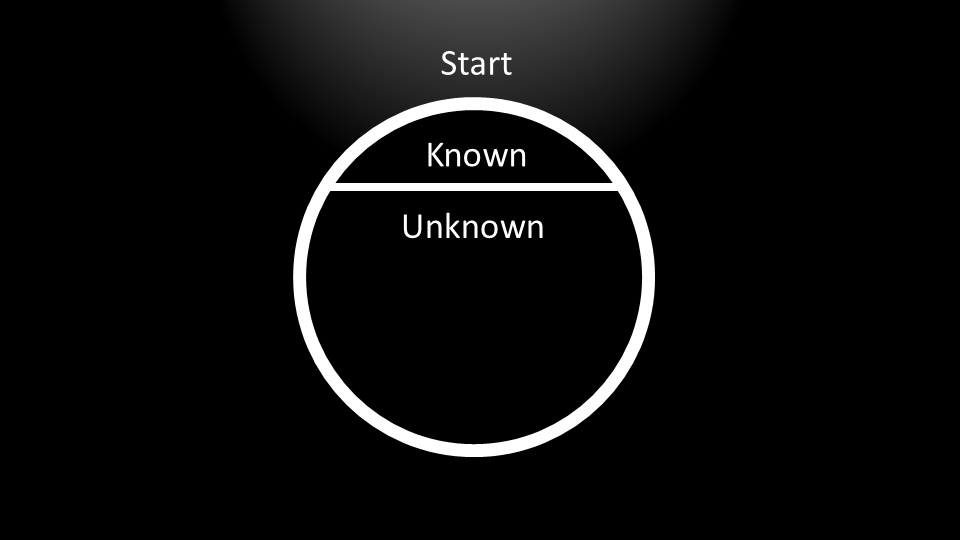
The Hero’s Journey theory says good stories are circular. You end up back where you started. They’re a journey from home, from comfort, from the concious, down into the subconscious, uncomfortable far away place, and back eventually home again. Of course, changes happen along the way.
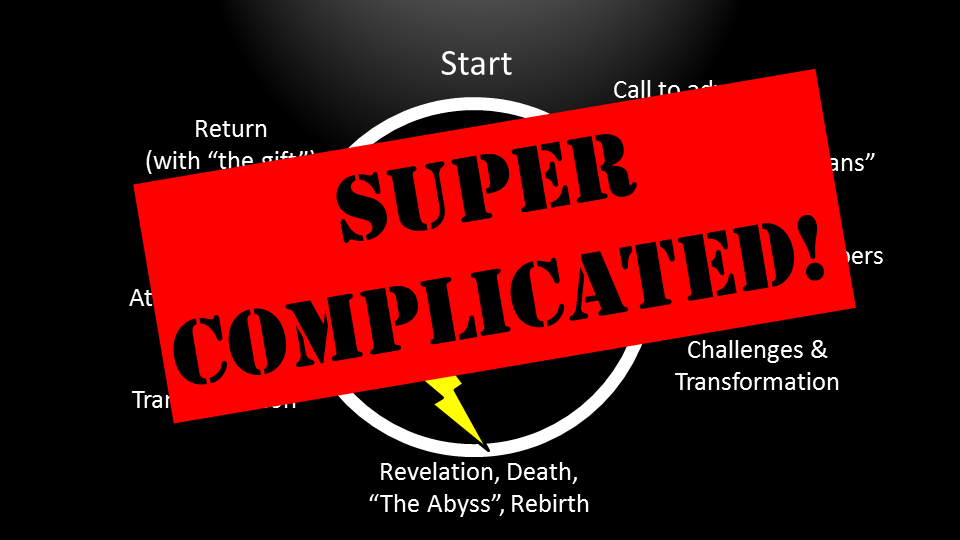
The full theory has all kinds of Freudian stuff to do with being forced out of the mothers arms by the call of the father, eventually defeating the father, and returning eventually as a mother or father all that… (Seriously, Freud had issues.) Also, there’s loads of details that are reasonably important, and do make the story more compelling, but also, with much added complexity. So lets go look at Dan Harmon’s Story Circle instead.
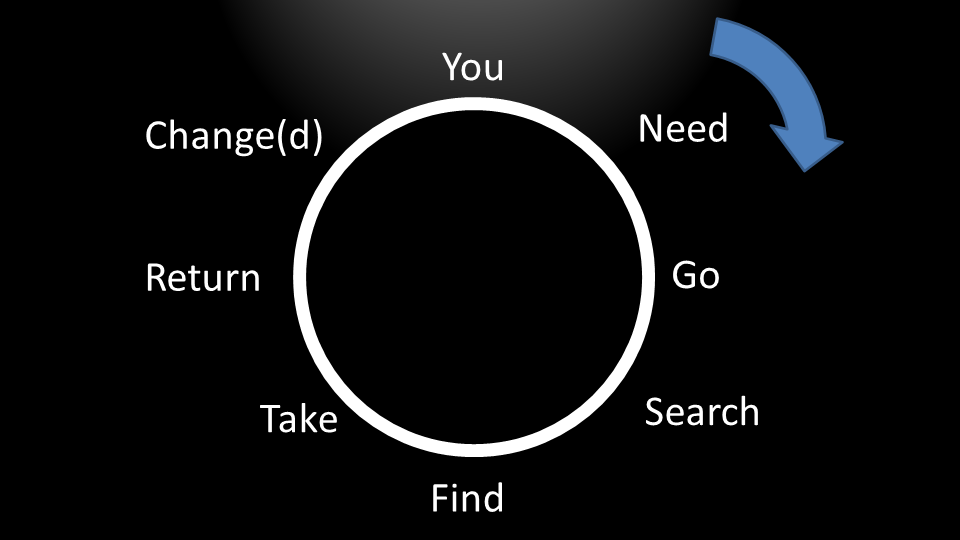
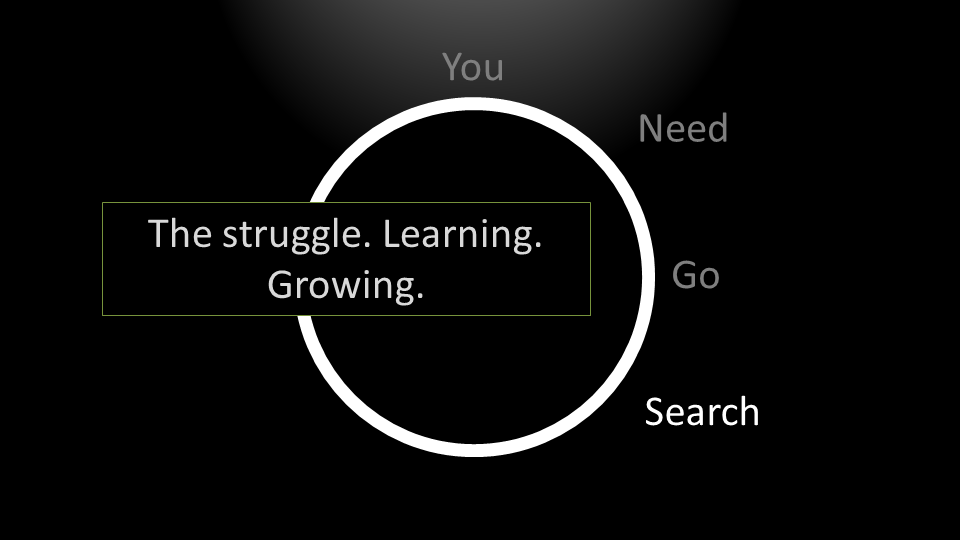
He takes the circle concept, and breaks it into 8 simple parts.
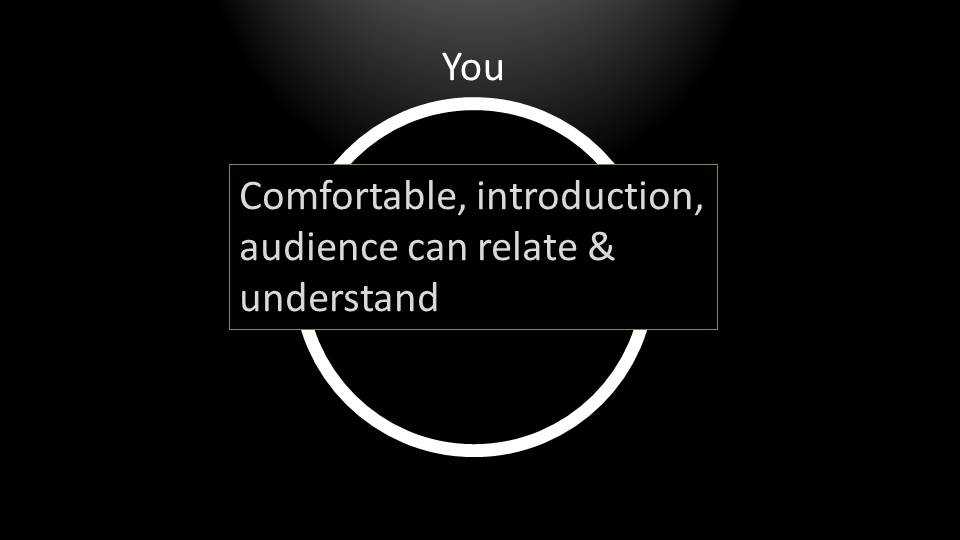
We start off at " You". This is where " you" the audience relate to the main character(s). Preferably, the character should be in a place of comfort, or at least, be connected to some kind of easy-to-relate-to “home” situation. This could be a sailor at sea on the bridge, or a little bear playing a balancing game, or Garion at Faldor’s farm, a new student enrolling at community college, etc. It’s a starting point that the audience can relate to, and feel comfortable understanding. They don’t have to dig deep emotionally to connect with the main character. It happens automatically. This is the concious, mental understanding area.
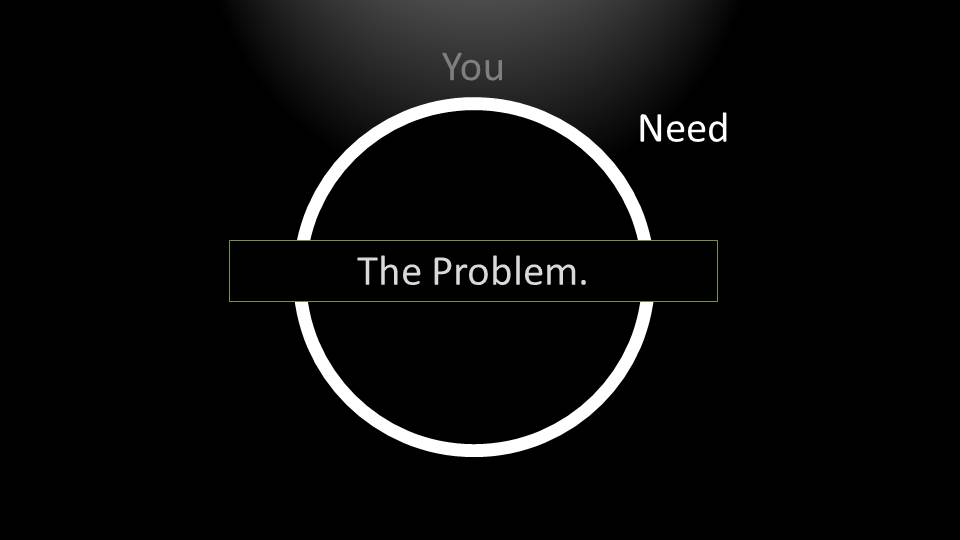
Next is the " need". Something isn’t right, or some how the stable situation will be pushed off-balance. This is pretty close to the “problem” concept from the 3-act play model. Note, we’re still basically in the stable conciousness.
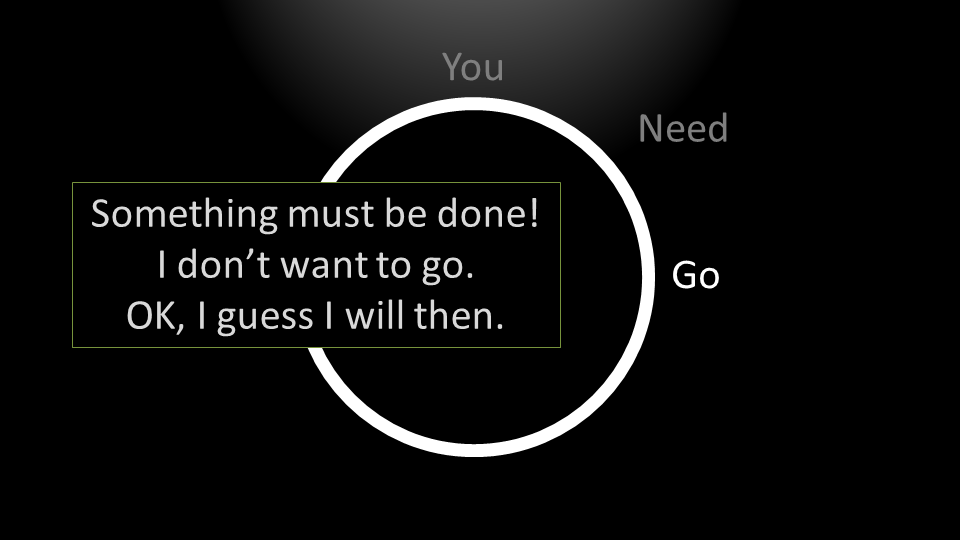
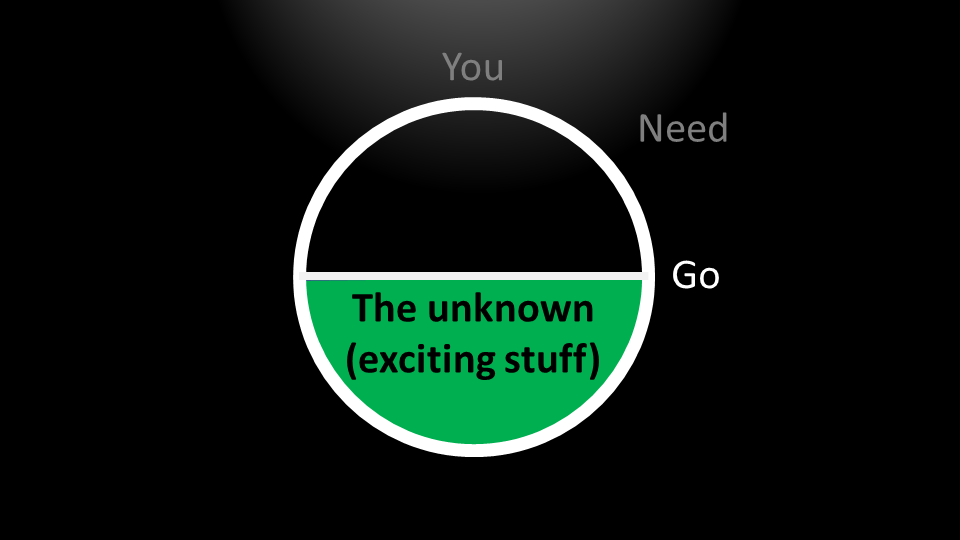
So, since there’s a need, I guess we’d better " Go" do something about it. This is where the Hero decides to actually leave their safe familiar environment, and go out into the world to solve the problem. We finally dep art the concious, and head into the scary subconscious / unconscious. The go ing can often be the most emotional part of the story. Or at least, the most emotionally motivated or driven part. Once the Hero is actually off fighting dragons and saving maidens, they’re too busy actually doing stuff to be all soppy and emotional.
Now that we’ve actually left, comes the big difficult part of the story, the Seek ing, or Search ing. We may not exactly know what it is we’re looking for yet - but we’ll find out. Many different avenues can be explored, different people met, etc. This can be long, arduous, and challenging. The main character should be growing and changing here.